Stains and deterioration
We reduce distracting dirt, marks, creases, dust and visible signs of wear.

Photo restoration
We restore and preserve damaged photographs through individual review, protecting the features, identity, context and character that make the original recognizable.
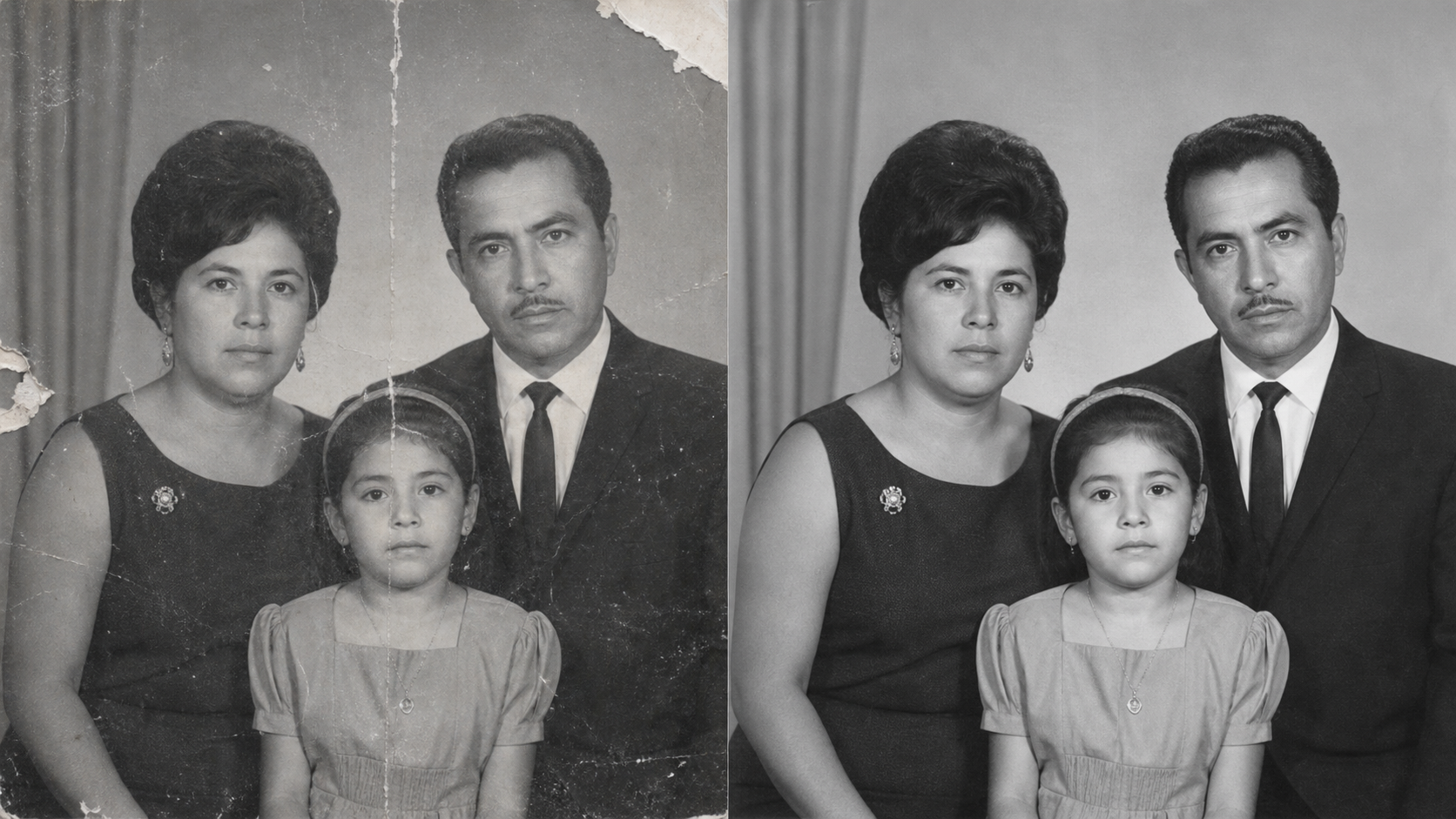 Before After
 A careful intervention
An old photograph may lose contrast, collect stains, tear or shift in color. Every restoration begins with an assessment of the damage, the surviving visual information and the details that must remain true to the original.
AI tools may assist with specific tasks, but they do not determine the result. Every image is reviewed and refined to prevent altered faces, invented textures or artificial details from changing the photograph’s identity, context or period character.
What we can address
We reduce distracting dirt, marks, creases, dust and visible signs of wear.
We reconstruct damaged regions when enough visual information remains to do so coherently.
We balance highlights, shadows and color casts to restore readability without exaggerating the result.
When requested, we add restrained and consistent color to black-and-white photographs.
A real restoration case
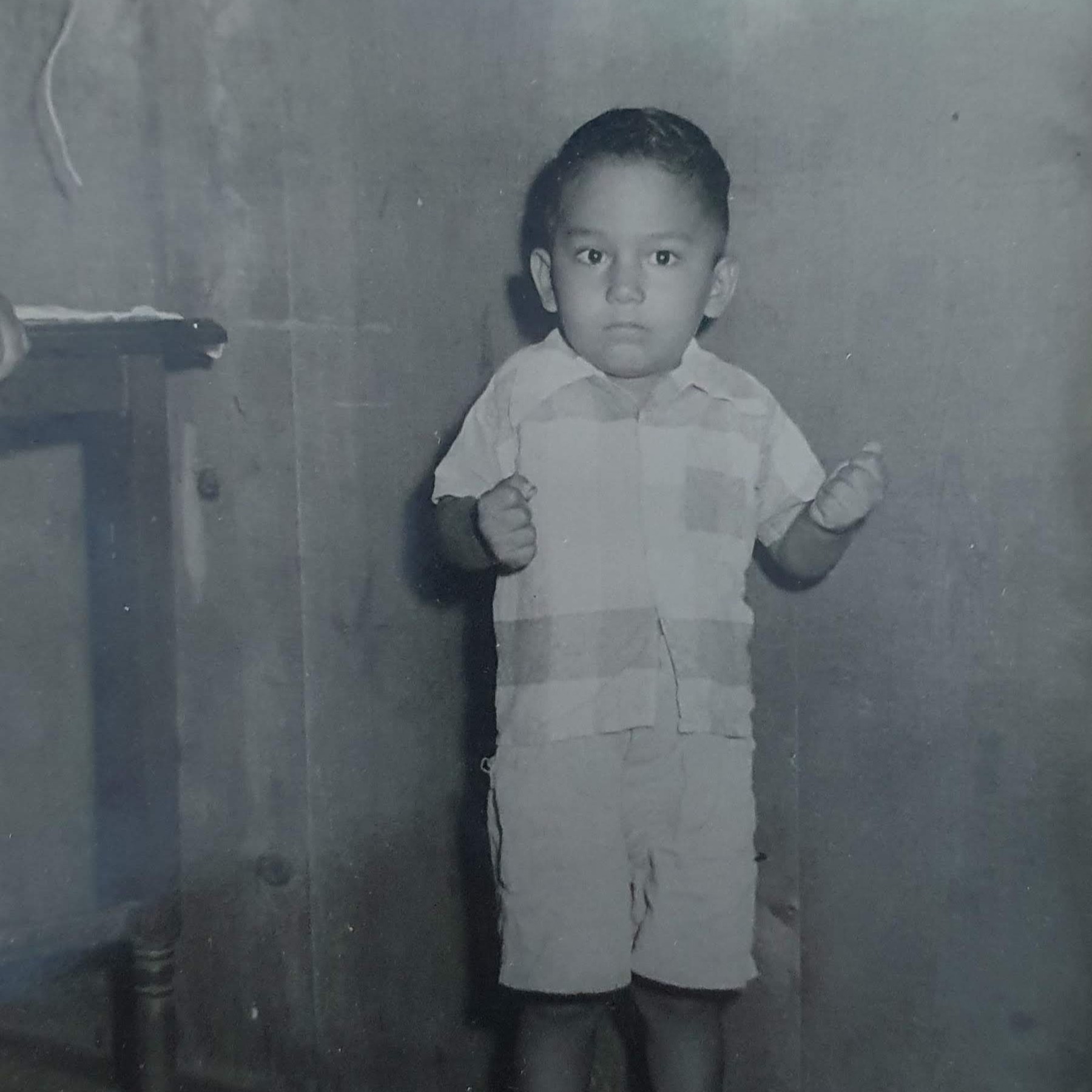
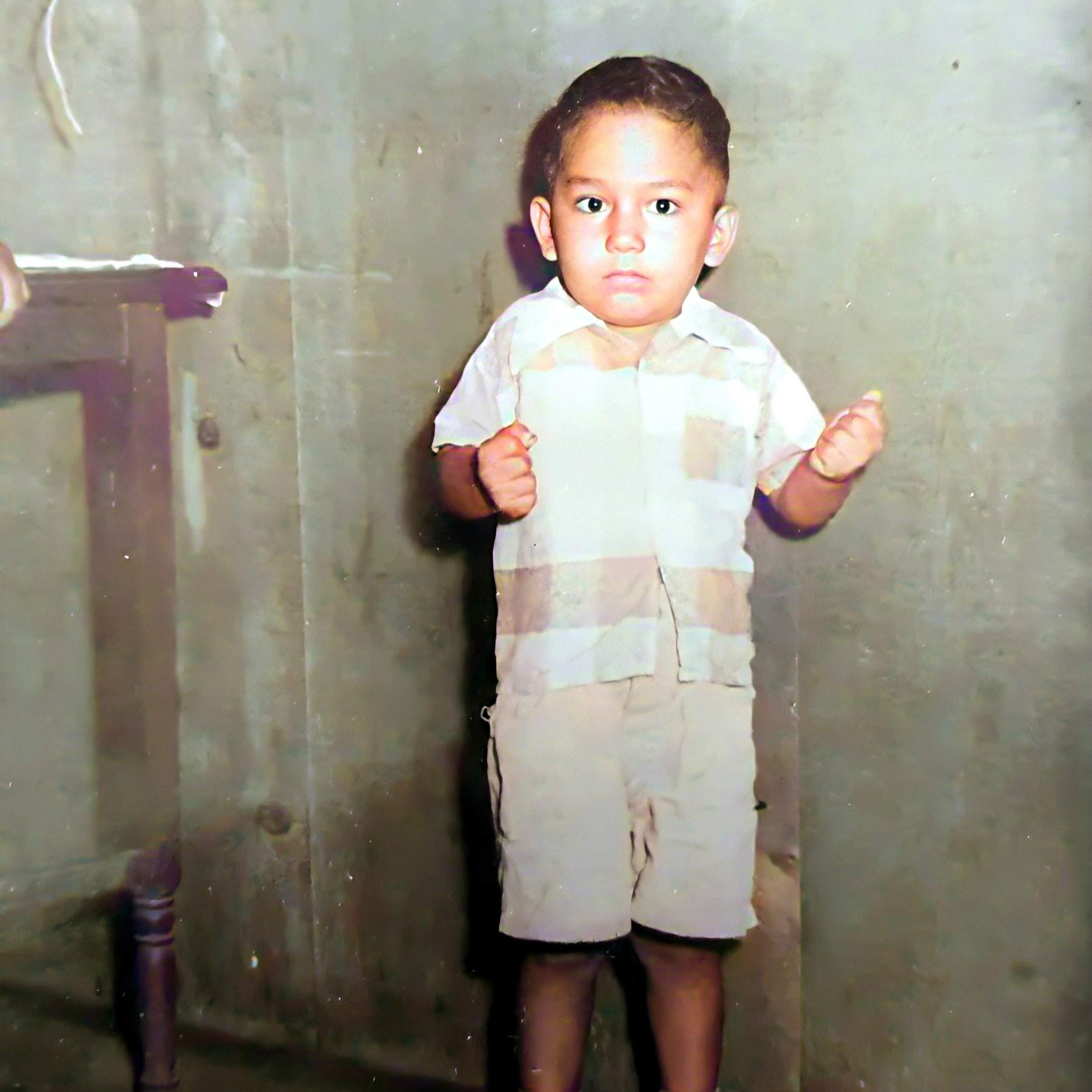
The process
We review resolution, type of damage, faces, texture and available information to determine what result is viable.
We work progressively on stains, tears, contrast, tone and detail. When an automated tool is useful, its contribution is reviewed and corrected by hand.
We check that faces, features, textures and reconstructed areas remain natural and consistent with the information in the original.
You receive a high-resolution TIFF master for preservation and future printing, plus an optimized sharing copy, delivered through a private download link.
Results with judgment
We can recover a great deal of visible information, but not every type of damage allows each detail to be reconstructed with certainty. When an important area is completely lost, any recovery necessarily involves interpretation.
Pricing depends on the photograph’s actual condition, the extent of the damage and the complexity of the work. Before work begins, we explain what can be improved, the image’s limitations and a reasonable expected result. Restoration files are delivered through a private link, not on a USB drive.
Independent service
We convert physical negative strips into high-resolution JPG files ready to view, back up, share or print.
Scanning is not the same as restoration. The scan reflects the negative's current condition. Advanced color correction, scratch removal or damage reconstruction is assessed as separate work when viable.
Ask about this serviceInitial guidance · no obligation
Upload an image of the original—even if you are not sure how damaged it is—for a preliminary assessment of damage, complexity and realistic limits.